
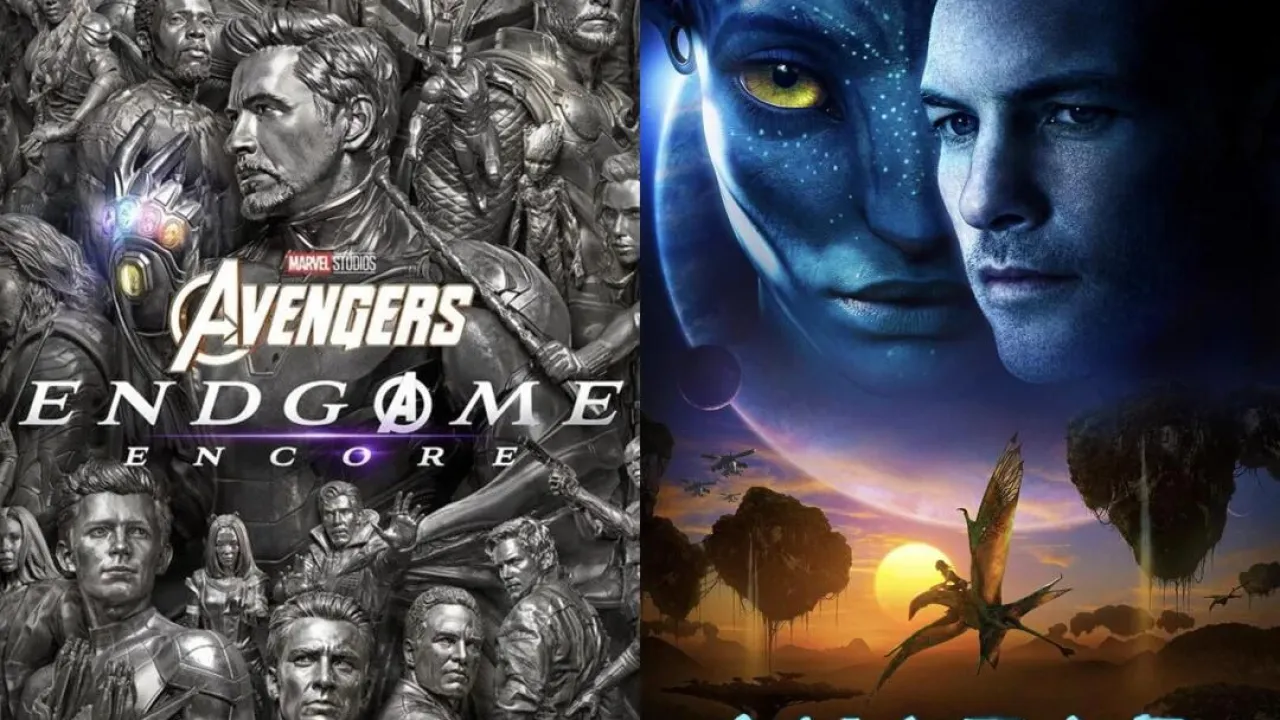
The battle between Avengers: Endgame and James Cameron’s Avatar for the title of the highest-grossing movie of all time has taken another turn. Thanks to a new worldwide theatrical re-release, Avengers: Endgame – Encore, Marvel’s 2019 blockbuster has moved back into first place, taking its reported global total to $2.9255 billion. That puts it just ahead of Avatar, which stands at $2.9237 billion. The difference is only $1.8 million, which is almost nothing when you’re talking about movies that have made billions, but it’s enough to put Marvel back on top. And, as this ongoing rivalry keeps showing, a film’s box-office story doesn’t necessarily end when its original theatrical run is over.
The $1.8 Million Difference That Changed Everything
There really isn’t much separating these two films. The gap amounts to less than 0.06% of their worldwide earnings, so a relatively small boost from another theatrical run can make all the difference. Avengers: Endgame first knocked Avatar off the top spot in July 2019, after its initial 89-day theatrical run. But Cameron’s film wasn’t finished yet. A successful re-release in China helped Avatar reclaim the record in March 2021, and further international screenings added to its lead over the years. Now, in 2026, Endgame – Encore has pushed the Marvel film back ahead.
It’s a strange sort of competition, really, because neither movie needs to be a new release to get back into the conversation. A film that audiences have already seen can still draw people to theaters years later, especially when there’s a big record at stake. And when the difference between first and second place is this small, every new screening starts to matter.
The Box Office Looks Different When You Factor in Inflation
There is one important catch with the title of highest-grossing movie of all time: these rankings usually rely on the amount of money a film has earned, without adjusting for inflation. That makes for an easy comparison, but it doesn’t tell the whole story of moviegoing over the decades. Ticket prices have changed considerably, and the value of money isn’t what it used to be.
Once inflation is taken into account, Gone with the Wind is often cited as the biggest box-office success in film history, with estimates putting its adjusted earnings above $4.2 billion. The picture also changes when comparing Avatar and Endgame themselves. Avatar arrived in theaters in 2009, ten years before Endgame, when movie tickets generally cost less than they do today. Adjusting for ticket prices and the number of admissions can therefore give a very different impression of how widely a film was watched. A bigger dollar total doesn’t automatically mean more people bought tickets.
Why Disney Keeps Bringing Endgame Back to Theaters
So why bring Endgame back to theaters seven years after its original release? The obvious answer is that it still has an audience, but there’s a business side to it, too. Unlike a new movie, Endgame doesn’t need to be produced from scratch. The film is already finished, its visual effects are in place, and Disney can put it back into circulation without taking on the same costs involved in launching an entirely new blockbuster.
Re-releases can also give theaters something recognizable to show during quieter weekends, including on premium screens such as IMAX and Dolby Cinema. For a movie with the scale and fan following of Endgame, that’s a fairly attractive proposition. The Encore release also reportedly includes an updated post-credits teaser for Avengers: Doomsday, giving Marvel fans another reason to buy a ticket. In other words, audiences get another chance to revisit a film they love, while Disney gets to generate ticket sales and build interest in what’s coming next.
It’s a neat arrangement when it works. The studio can make money from an established hit, the theater gets a familiar title that may still fill seats, and Marvel gets a little extra attention for its next big release. The only real question is how much interest audiences will have in returning to the same movie again, especially when the original has been available to watch at home for years.
The Funny Thing About This Rivalry: Disney Wins Either Way
There’s another detail that makes this particular box-office race unusual. Both Avengers: Endgame and Avatar are part of Disney’s film portfolio. Disney acquired 21st Century Fox in 2019, bringing the Avatar franchise under the same corporate umbrella as Marvel Studios. So while fans can argue over which film deserves the top spot, the company behind both movies has a stake in either outcome.
That doesn’t make the competition meaningless. For filmmakers and fans, the record still carries bragging rights, and Cameron and Marvel have very different audiences and cinematic identities. But from Disney’s perspective, having two of the biggest movies in box-office history gives the studio a rather enviable position. Whichever title sits at number one, Disney continues to benefit from the popularity of both franchises.
Will Avengers: Endgame Stay on Top?
For now, Avengers: Endgame has reclaimed the worldwide box-office crown, though the margin is so narrow that the rankings could change again. Another Avatar re-release, a fresh theatrical run for Endgame, or a change in how the films are reported could all affect the comparison. Neither franchise is going away anytime soon, either, with more installments planned for the big screen.
That’s what makes this race a little different from the usual box-office battle. It isn’t just about which movie opened bigger or had the best weekend. These films have become long-term theatrical events, returning to cinemas whenever there’s a good reason to bring audiences back. And with two hugely popular franchises involved, the $2.9 billion contest may have a few more surprises left.
