
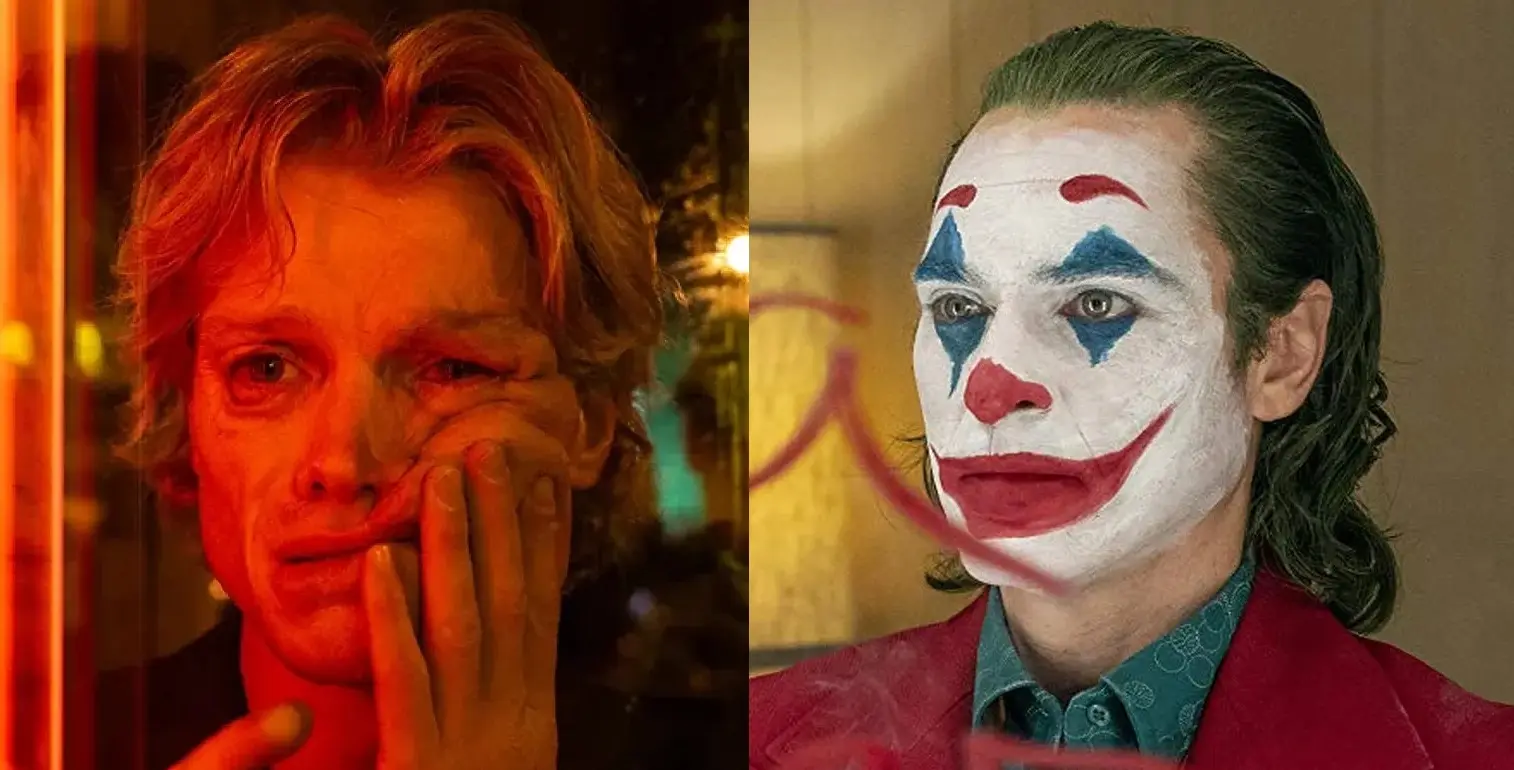
Clayface arrives in theaters as one of the most distinctive entries in the new DCU, blending body horror with the tragic origins of one of Batman’s iconic foes. However, director James Watkins deliberately kept the Dark Knight out of the picture—a creative choice he recently clarified by drawing a comparison to Todd Phillips’ 2019 hit Joker, which explored Gotham City through an entirely different lens.
Why James Watkins Compared ‘Clayface’ to ‘Joker’
In an exclusive interview with GamesRadar+, James Watkins explained that he never felt the need to shoehorn overt Batman references into the narrative. For the filmmaker, Clayface needed to function as a self-contained character study, keeping the spotlight locked on Matt Hagen and his harrowing existence within Gotham City.
When asked if he had ever considered featuring the superhero, Watkins replied bluntly: “I didn’t.” He went on to compare his approach to Todd Phillips’ Joker, which successfully built a gritty Gotham narrative around a rogue icon without relying on traditional caped crusader antics.
“Because, in a way, I felt that just as Joker is one person’s story in Gotham, this is that too.”
Watkins noted that Gotham City is a sprawling metropolis populated by millions of citizens, each grappling with their own distinct nightmares. Consequently, dragging Batman into the plot purely to remind audiences of the wider DC universe felt entirely unnecessary.
His top priority was honoring the tragic arc of Matt Hagen, played by Tom Rhys Harries—an ambitious actor whose life shatters after a brutal assault leaves him disfigured.
Batman Exists in the DCU, Even If ‘Clayface’ Tells Its Own Story
Watkins’ creative omission doesn’t mean Batman is missing from the new DCU continuity. Peter Safran, co-chairman of DC Studios alongside James Gunn, recently confirmed to Collider that the Dark Knight is already active in Gotham City during the events of Clayface, even if his specific whereabouts aren’t shown on screen.
Safran also pointed out that an early silhouette of the hero appeared in Creature Commandos, marking Clayface as the DCU’s first live-action exploration of Gotham.
Even so, Clayface has no interest in serving as a backdoor pilot for Batman. The film uses psychological thrills, tragedy, and intense body horror to chart Matt Hagen’s grotesque transformation, requiring zero homework or prior knowledge of the wider franchise.
The Cinematic Influences Behind the New Gotham
Beyond explaining Batman’s absence, Watkins revealed the primary visual inspirations used to construct his version of Gotham. Collaborating with Oscar-winning Poor Things production designer James Price and cinematographer Rob Hardy, the director drew heavily from 1930s German Expressionism and gritty 1970s, ’80s, and ’90s New York street photography.
The result is an oppressive, towering Gotham choked by corruption, grime, and perpetual shadows where the sky is barely visible. This decaying urban hellscape deliberately contrasts with the bright, sun-drenched, palm-lined streets of Coast City.
Watkins also studied the cinematic legacies of Gotham crafted by Tim Burton, Joel Schumacher, and Christopher Nolan to forge a unique aesthetic identity for the DCU. The film is packed with subtle comic book Easter eggs—some hidden by the art department without the director even noticing—ranging from fictional Gotham product brands to shared universe nods with Superman, including a cameo appearance by Jitters Coffee.